
Nice at a glance
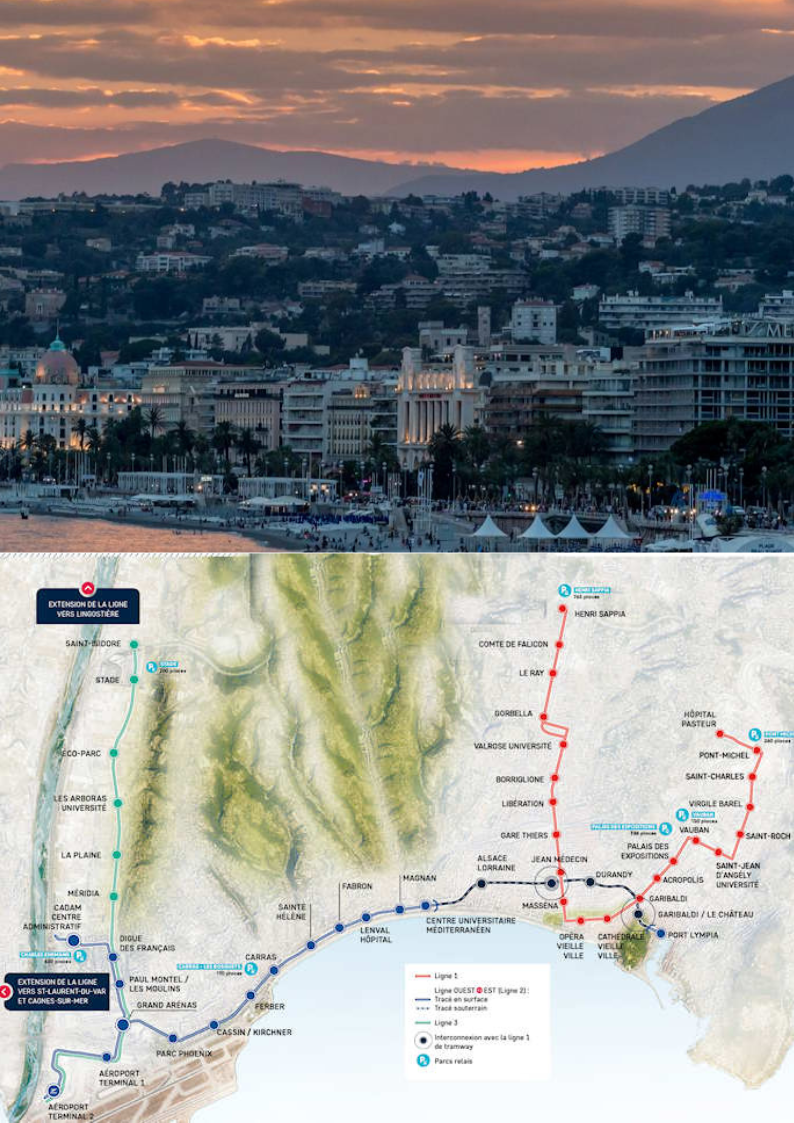
Getting around: Transport in Nice
Public transport (Lignes d’Azur)
Buses & Trams
-
Single ticket: €1.70 (valid 74 minutes, transfers included, 2025)
-
Load tickets on the La Carte card or buy via machines/app
-
Tram network (4 lines in 2025) connects key areas, including airport → city → port
Buses reach suburbs and hillside districts not covered by the tram.
Airport to city
The easiest transfer: take the airport tram directly into the city or to the port - fast and cheap.
Trains & day trips
For Monaco, Cannes, Antibes, Villefranche and other coastal towns:
-
Use regional trains from Nice-Ville (main station) or Nice-Riquier (east side).
Walking, bikes & alternatives
-
Nice is very walkable, especially around Old Town and the Promenade.
-
Bike rentals, e-scooters and car-sharing are widely available.
-
If you stay central, you may barely need transport — except for airport trips or day excursions.
Essentials
Language: French, but English is common in tourist areas.
Currency: Euro (€). Cards widely accepted.
Electricity: EU plugs Type C/E, 220–240V.
Time Zone: CET (UTC+1), summer UTC+2.
Climate & best time to visit
Nice has a classic Mediterranean climate: hot, dry summers and mild winters.
-
Summer: around 27°C, warm sea — perfect beach weather.
-
Winter: mild (11–13°C), cooler nights; snow is rare.
-
Rain: mostly in autumn and winter.
Best time to visit: April–May and September–October for great weather and fewer crowds.
Health, safety & practical info
Emergency numbers:
-
112 – EU emergency line
-
15 – Ambulance
-
17 – Police
-
18 – Fire
-
114 – Text line (hearing-impaired)
Everyday essentials:
-
Tap water is safe to drink.
-
Cards and contactless payments are accepted almost everywhere.
-
Tipping is optional - service is usually included, but rounding up is appreciated.
Safety:
Nice is generally safe, but stay aware in crowded areas and keep bags zipped.
What to keep in mind during your visit
Download the Lignes d’Azur app for easy tickets, top-ups, and real-time tram/bus info — especially helpful when arriving at the airport.
For day trips, regional trains and buses are affordable and connect you to beautiful Riviera towns and coastal villages.
Staying near Old Town or central Nice makes most of the city walkable — and all Mariviera apartments are located in these highly walkable areas, so you’ll only need transport occasionally.
Pack for mixed weather: evenings can be cooler, and autumn/winter brings some rain. A light jacket and umbrella are useful.
Nice like a local
⭐ Visit beaches early or late
Public beaches fill up fast. Locals go before 10:00 or after 17:00 for calmer water, cooler temperatures, and better light.
⭐ Skip Promenade restaurants
Beautiful location, but overpriced. Instead try Vieux Nice, Port Lympia, or Rue Bonaparte for genuinely good, local food.
⭐ Take the free Castle Hill elevator
Find it at the end of Rue des Ponchettes. A painless way to reach the best panoramic views — perfect with kids, luggage, or mobility concerns.
⭐ Bring water shoes
Nice has pebble beaches — not sand. Locals use aqua shoes to enter and exit comfortably.
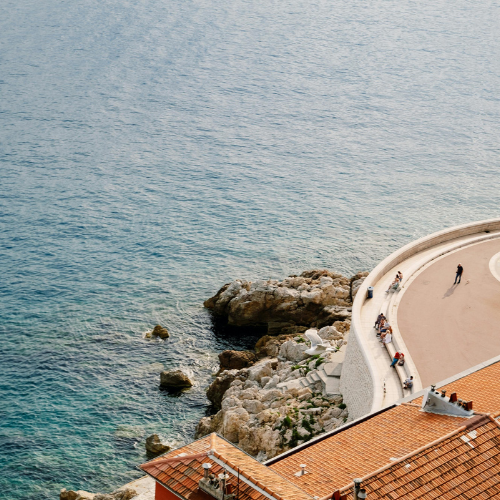
⭐ Local sunset spots
-
Rauba Capeu (#ILoveNICE sign)
-
Mont Boron cliffs
-
Coco Beach rocks
All offer gorgeous golden-hour views.
⭐ Shop at markets, not supermarkets
The Cours Saleya market (Tue–Sun mornings) has perfect produce, olives, flowers, cheeses — and fresh socca.
Mondays = flea market.
⭐ Must-try cheap Niçoise classics
-
Socca
-
Pissaladière
-
Pan Bagnat
-
Tourte de Blettes
Delicious, authentic, and usually under €8.
⭐ Know the fixed taxi prices from the airport
Airport → Nice: €32 day / €37 night.
If they quote more, decline.
The tram for €1.70 is the best option for most visitors.
⭐ Validate tram tickets every time
Ticket inspectors are frequent. Fines start at €40–60.
⭐ Ask for “une carafe d’eau”
If you just say “water,” you'll get bottled water (€4–€6).
Say “une carafe d’eau” for free tap water.
⭐ Quieter beaches are east of town
Walk towards the port to find:
-
Bains Militaires
-
Coco Beach
-
La Réserve
Great for snorkeling and relaxing without crowds.
⭐ Take Rue Bonaparte (“Little Marais”) for trendy cafés
This area is Nice’s cool, urban neighborhood — packed with brunch spots, cocktail bars, and artisan shops.
⭐ Visit the Liberation Market for a more local feel
If Cours Saleya feels too touristy, try Marché de la Libération — bigger, cheaper, more local, and full of amazing produce.
⭐ The Promenade du Paillon is the best place for kids
Playgrounds, shaded paths, water fountains — a quieter break from the beach.
⭐ Take the train west for sandy beaches
Nice is pebbly, but Antibes and Juan-les-Pins have real sand. Just 20–25 minutes by train.
⭐ Tap water is drinkable
Fill up at public fountains around Promenade du Paillon and Garibaldi Square. Saves money and plastic.